We are fortunate to work with an incredible group of dedicated researchers in our lab!

Dr. Melissa Ertl (she/her) is an Assistant Professor of Psychology in the Counseling Psychology area of the Department of Psychology at University of Minnesota. She is a counseling psychologist by training who also completed a public health postdoc. She has taught undergraduate and master’s psychology students since 2014 and has been practicing as a clinician since 2016. She earned her bachelor's degree in Psychology and Spanish from University of Wisconsin-Madison and completed her doctoral education at University at Albany-State University of New York. She has a Master’s degree and a Ph.D. in Counseling Psychology as well as a certificate in Health Disparities in Public Health. Her doctoral internship was at Pace University’s Counseling Center in Manhattan, and she completed a two-year postdoctoral fellowship at the HIV Center for Clinical and Behavioral Studies at Columbia University and New York State Psychiatric Institute. Her areas of research and professional expertise are in delineating and addressing health disparities and promoting health equity among marginalized populations, including Latinx young adults, immigrants, college students, LGBTQIA+ individuals, familial caregivers, and individuals with disabilities. Her particular research focus is on the intersections of mental health, substance use, and HIV risk.

Josh Archambault is a fourth-year undergraduate at the University of Minnesota-Twin Cities, majoring in Psychology and American Indian Studies with a focus on language. As a Native student, his research interests center on advancing mental health equity for Indigenous communities by addressing social and cultural disparities related to mental health, substance abuse, and trauma. He plans to pursue a career as a clinical or counseling psychologist, ideally combining clinical practice with research. In his free time, he enjoys weightlifting, playing volleyball, rock climbing, reading fiction, and listening to music.

Rowan Farha is a fourth-year undergraduate student at the University of Minnesota-Twin Cities. She is pursuing a major in Psychology with minors in Family Therapy and Ensemble Music, and she plans to graduate in Spring of 2026. Rowan is currently working on her honors thesis, which focuses on how feminist identity shapes social justice behavioral intentions and stress in cisgender women. After graduation, she plans to pursue an advanced degree in Counseling or Social Work. She wishes to apply this degree to becoming a Licensed Mental Health Counselor and specializing in therapy related to grief and trauma. In her free time, Rowan likes to paddle board, hike, read mystery novels, attend concerts with friends, knit, and plan her next trip to the mountains.

Mumtaaz Hirsi is a third-year undergraduate student at the University of Minnesota, majoring in Psychology with minors in African American Studies and Public Health. As a Somali student, she is dedicated to advancing health equity and exploring how issues of women’s health, reproductive justice, and mental health intersect within marginalized communities. Her research interests emphasize health promotion and disease prevention as a pathway to closing gaps in access and improving overall well-being. In addition to her academic work, she has served with the Women’s Foundation of Minnesota through Governor Tim Walz and as Public Health and Prevention Committee Chair in the Undergraduate Student Government. As a pre-law student, Mumtaaz intends to pursue a career in Human Rights and Healthcare Law. She hopes to integrate her background in psychology, public health, and African American studies into her legal career, using this interdisciplinary perspective to advocate for systemic change and champion the rights of women and underserved communities.

Tammy Nguyen is a third-year undergraduate student at the University of Minnesota-Twin Cities. She is majoring in Psychology and minoring in Sociology of Law, Crime, and Justice. Her research interests include behavioral disorders, criminal responsibility, and social cognition. After graduation, she plans to pursue graduate study in Social or Forensic Psychology. She will focus on research and assessments that apply psychological principles within legal systems. In her free time, she enjoys spending time with her dog and exploring new genres of music.
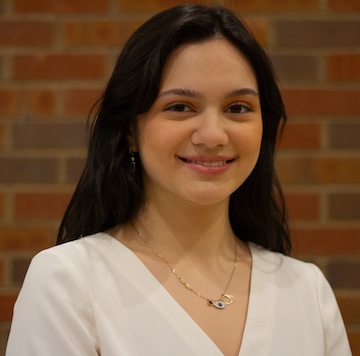
Audrey Ronan is a fourth-year undergraduate student at the University of Minnesota–Twin Cities pursuing a major in Psychology, with minors in Health Services Management and Spanish Studies. Her research interests center on health promotion and disease prevention with special attention to health equity and emerging interests in workplace dynamics. Her previous psychology research has focused on the educational and health outcomes of children. Post-graduation, she hopes to pursue a role that advances employee health and organizational well-being. In her free time, Audrey enjoys spending time with family, cooking, musical theatre, and sudoku.
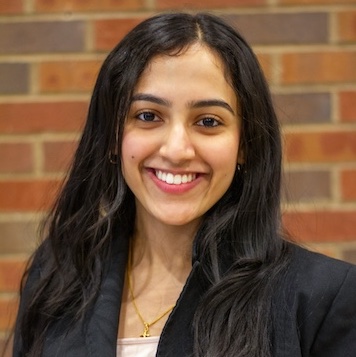
Shilpa Maria Thomas is a second-year undergraduate student at the University of Minnesota-Twin Cities, majoring in Psychology and Applied Economics. After graduation, she hopes to work primarily in clinical psychology and has various career aspirations such as being a clinical or counseling psychologist, social worker, or mental health nurse. Her research interests relate to her career aspirations, with a major focus on psychological disorders, such as mood disorders, eating disorders, neurodevelopmental disorders, and substance abuse, and how they affect various aspects of life. In her free time, she enjoys spending time with family and friends, watching shows, going to the gym, and trying new foods.

Tong Wu is a fourth-year undergraduate student at the University of Minnesota-Twin Cities, majoring in psychology with a second major in media and information. She hopes to apply to counseling psychology graduate programs in this upcoming cycle. Her research interests are related to mental health and health disparities in new media and communication, as well as exploring stigma and help-seeking intentions among different groups of people. She is also interested in health promotion. In her free time, she enjoys playing puzzles and Legos, watching TV shows and musicals, and spending time with her family and friends.
![- [ ] Shichen Liang smiles while looking at the camera and wearing a colorful striped sweater.](/sites/stripelab.psych.umn.edu/files/2025-07/shichen_liang_headshot.jpg)
Shichen Liang (she/her) is a second-year Ph.D. student in the College of Design at the University of Minnesota. Her academic background includes a B.S. in Psychology from the University of Grenoble Alpes and an M.S. in Clinical Health Psychology from the University of Paris Cité. Trained as a clinical psychologist in France, she has clinical experience in both pediatric and geriatric settings across France and China, with a focus on transcultural care and mental health support for diverse populations. Shichen’s research focuses on health equity, digital mental health, and the sociotechnical design of interventions for structurally marginalized populations. With interdisciplinary perspectives from psychology, human-centered design, and public health, she is particularly interested in how technology can improve healthcare access for underserved communities by incorporating the lived experiences and strengths of patients and families to support overall well-being.

Amelia Blankenau is a 6th-year PhD candidate in counseling psychology at the University of Minnesota and a National Science Foundation Graduate Research Fellow. She received her master's degree in psychology from the University of Minnesota and her bachelor's degree in psychology from Occidental College, with a minor in gender, women, & sexuality studies. Her research interests include health equity, transracial adoption, colorblind racism, racial socialization, discrimination, and reproductive justice.
Her broad clinical training spans various settings, including primary care mental health integration at the Minneapolis VA, community mental health at Tubman Chrysalis Center, career counseling at UMN’s Career Counseling and Assessment Clinic, and college counseling at both UMN’s Student Counseling Services and the Hamre Center for Health & Wellness at Macalester College. Amelia provides care to a diverse range of adults, with a particular passion for supporting LGBTQ+ individuals, people of color, and adoptees. She frequently works with clients navigating mood disorders like anxiety and depression, sleep problems, identity development, trauma, and interpersonal relationship concerns.
Central to her practice is a deep value for the therapeutic relationship. Her counseling approach is informed by foundational counseling psychology values, such as social justice and multiculturalism, and is grounded in psychological research. She utilizes an integrative approach to care, drawing from evidence-based treatments including acceptance and commitment therapy (ACT), cognitive behavioral therapy (CBT), and motivational interviewing, all within an intersectional, culturally responsive framework. This year, she will complete her doctoral internship in psychology at Allina Health in the Twin Cities.

Liz Szanton is a second-year PhD student in counseling psychology. Liz graduated from Haverford College in 2022 with a BS in psychology, a minor in sociology, and a concentration in gender and sexuality studies. Prior to joining the STRIPE Lab, Liz researched children’s intersectional social prototypes, mentored by Dr. Ryan Lei, and studied prosocial behavior and motivated identity narratives, mentored by Dr. Liane Young.
Liz’s research examines how structural stigma (i.e., oppressive laws, policies, and cultural attitudes) and internalized stigma interact to shape mental health outcomes for marginalized populations. She is particularly interested in the ways people make meaning of their own identities, and how those meaning-making narratives can exacerbate or buffer the adverse effects of structural stigma. One such narrative is essentialism, or the belief that an identity characteristic is innate and unchanging. Liz conducts much of this work with sexual and gender minority populations.
Liz’s current practicum placement is at Boynton Mental Health & Counseling, where she provides psychotherapy to university students. Prior to starting graduate school, Liz volunteered with a Massachusetts-based suicide hotline. Liz’s clinical interests include third-wave behavioral therapies (DBT, ACT) and gender-affirming healthcare.
Outside of work, Liz enjoys reading contemporary fiction and is learning how to roller skate.
![- [ ] Kayleigh Fenton smiles while posing outdoors on a beautiful summer day.](/sites/stripelab.psych.umn.edu/files/2024-08/kayleigh_fenton_2024_copy.jpg)
Kayleigh Fenton (she/her) is a first-year doctoral student in the University of Minnesota’s Counseling Psychology program and a Diversity in Psychology Fellow. She earned her Bachelor of Science degree in psychology with a concentration in clinical psychology from George Mason University in 2024. Her professional experience includes roles as a lab manager for the STRIPE, HIES, and public health labs at UMN, NIH Amgen Fellow, research lead on stress and empathy in clinical settings, and work in the TIDL Lab at George Mason University.
Her research focuses on how systemic, social, and emotional barriers affect health outcomes and substance use in marginalized communities. Specifically, she is interested in how systemic- and individual-level factors interact to shape disparities using strength-oriented approaches.
Clinically, Kayleigh is interested in exploring the use of experiential group therapies as alternatives to Eurocentric counseling models to bolster connection and therapeutic outcomes. Looking ahead, she aims to advance community-based methods that promote holistic health and well-being among historically marginalized populations.

LeShay Andrewin earned a Bachelor of Science in Psychology with a minor in Family Violence Prevention from the University of Minnesota–Twin Cities. Since graduating, they have been exploring graduate programs in Social Work, with plans to apply after a gap year. Beginning in the fall, LeShay will be volunteering as a school counseling assistant, where they will facilitate both one-on-one and group sessions with students. They will also be contributing to a research project focused on racial socialization messages in ethnically diverse Black families. LeShay is passionate about youth mental health, trauma-informed care, and culturally grounded approaches to healing.

Meri Bosnic earned her Bachelor of Science in Psychology and Bachelor of Arts in Sociology of Law, Criminology, and Justice from the University of Minnesota in May 2024. Following her graduation, she chose to take a year off before applying to graduate school, with plans to submit applications for the 2025 academic year. During this time, she is seeking opportunities to work as a lab assistant and other areas of psychology, focusing on areas related to clinical and forensic psychology. In the future, Meri aims to pursue a master's degree in clinical/forensic psychology, with a particular interest in women's mental health and stress and trauma.
![- [ ] Mariam Onafowokan smiles while wearing a white shirt and black glasses.](/sites/stripelab.psych.umn.edu/files/2024-09/mariam_o_2024.jpg)
Mariam Onafowokan earned a Bachelor of Science in Psychology with minors in Public Health and Integrative Neuroscience. Following graduation, she began working at the Minnesota Center for Twin and Family Research on the Adolescent Brain and Cognitive Development (ABCD) Study as a full time research assistant. She plans on starting her graduate program in Epidemiology at the University of Minnesota next fall. After graduate school, she hopes to become an epidemiologist, doing research and working in women's health and population health globally, aiming to work on prevention and health promotion.
Melanie Rodriguez-Mejia is part of the University of Minnesota-Twin Cities 2024 graduating class. She holds a Bachelor’s of Science degree in Psychology and has completed coursework pertaining to the Pre-Med track. Post-graduation, she is actively working as a Dialysis Technician while also building up her application for medical school. Melanie plans to become a physician who specializes in OB/GYN (while still allowing room for more specialty exploration) and a healthcare provider that is an active advocate for women’s rights. Her research interests are related to women’s health, health promotion, health prevention, health disparities among marginalized populations, applications of intersectionality, and mental health. In her free time, Melanie loves to read, spend time trying new food around Minneapolis, hang out with friends, and relax with her pets.

Selena Xiao graduated in May 2024 with a Bachelor of Science in Psychology from the University of Minnesota. After graduation, she decided to take a one-year gap before applying to graduate school, with plans to submit applications in fall/winter 2024. She is currently working as a Behavioral Technician at an inpatient eating disorder clinic, where she supports children and teenagers on their recovery journey. Additionally, she is exploring opportunities to work as a lab assistant, particularly in areas related to psychopathology. Looking ahead, she is interested in pursuing a master's program in clinical/counseling psychology, with a focus on working with children and adolescents in the area of psychopathology. She has a strong interest in the effects of adverse health outcomes on minority populations, particularly Asian populations and women. Her mental health interests include Autism spectrum disorder and eating disorders.